how does type 2 diabetes cause weight loss Diabetes unexplained intended
There is a common belief that weight loss is always a positive outcome, regardless of the circumstances. However, for individuals with diabetes, weight loss can be a cause for concern. Contrary to popular belief, weight loss in people with diabetes is not always a sign of improved health. In fact, it can be an indication of an underlying issue that needs to be addressed.
Diabetes and Weight Loss
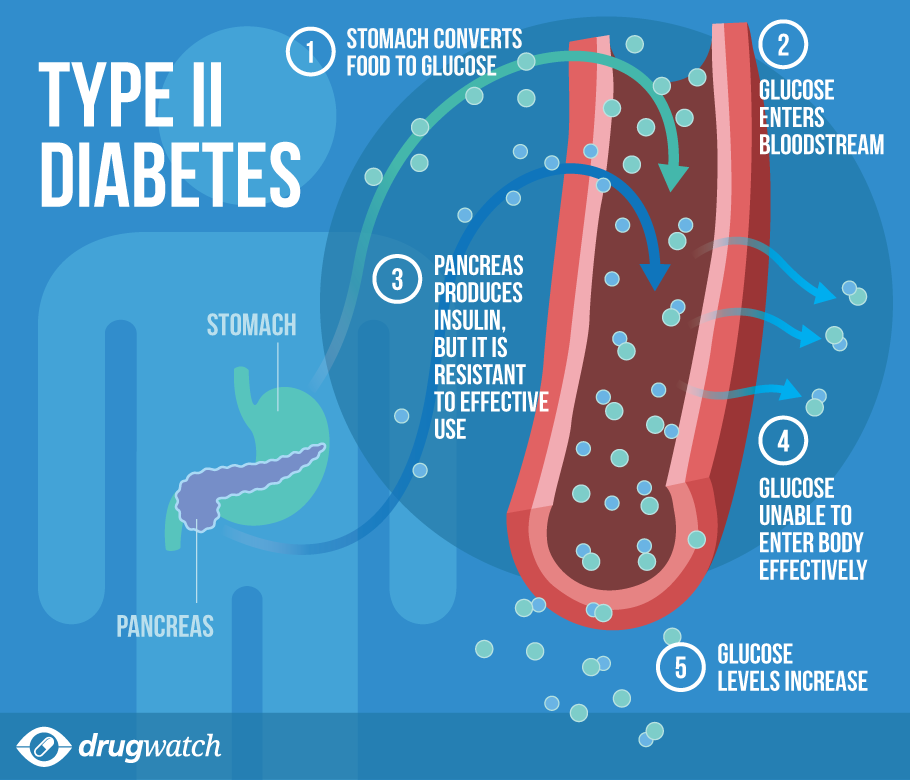
Weight loss in individuals with diabetes can occur due to various factors. One of the primary reasons is uncontrolled blood sugar levels. When blood sugar levels are consistently high, the body is unable to effectively use glucose for energy. As a result, the body starts breaking down fat and muscle for energy, leading to weight loss.
 In addition to uncontrolled blood sugar levels, weight loss in diabetes can also be attributed to the presence of ketones in the body. Ketones are produced when the body does not have enough insulin to use glucose for energy. When the body relies on ketones for fuel, it breaks down fat stores, leading to weight loss.
However, it’s important to note that not all individuals with diabetes experience significant weight loss. Some people may even gain weight due to factors such as insulin resistance, certain medications, or lifestyle choices.
Health Implications
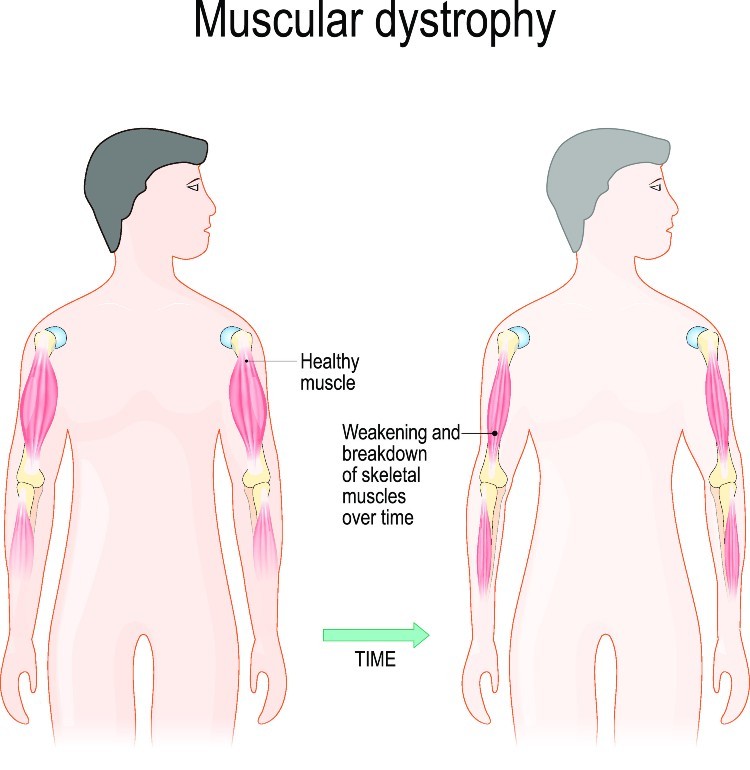
While weight loss can be a desired outcome for individuals with obesity or overweight, unintentional weight loss in people with diabetes can have serious health implications. It can lead to nutrient deficiencies, muscle wasting, and weakened immune function. Furthermore, rapid and significant weight loss can increase the risk of developing complications related to diabetes, such as foot ulcers and cardiovascular diseases.
 Therefore, it is crucial for individuals with diabetes who experience unintentional weight loss to consult with their healthcare providers for proper evaluation and management. A comprehensive assessment can help identify the root cause of the weight loss and determine the most appropriate course of action.
Treatment options for weight loss in diabetes may include adjusting diabetes medication dosages, improving blood sugar control through lifestyle modifications, such as a balanced diet and regular physical activity, or addressing underlying medical conditions that may be contributing to weight loss.
Conclusion
Weight loss in individuals with diabetes is a complex issue that requires careful evaluation and management. While weight loss may be desired for individuals who are overweight or obese, unintentional weight loss in diabetes can indicate an underlying problem that needs to be addressed. It is essential for individuals with diabetes who experience significant weight loss to seek medical advice to determine the cause and develop an appropriate treatment plan. Proper management can help improve overall health outcomes and reduce the risk of complications associated with diabetes.
If you are looking for Type 2 diabetes: Unexpected weight loss could be an early warning sign you’ve visit to the right web. We have 5 Pictures about Type 2 diabetes: Unexpected weight loss could be an early warning sign like Pin on Work Your Body!, Diabetes - Symptoms, Diagnosis, Treatments & Complications and also Diabetes - Symptoms, Diagnosis, Treatments & Complications. Here it is:
Type 2 Diabetes: Unexpected Weight Loss Could Be An Early Warning Sign
 www.express.co.ukunexpected
Diabetes - Symptoms, Diagnosis, Treatments & Complications
 www.drugwatch.cominsulin complications diagnosis
Does Diabetes Cause Weight Loss? | Relationship Between Diabetes And
www.breathewellbeing.indiabetes unexplained intended
Pin On Work Your Body!
www.pinterest.comdiabetes urbannaturale
Diabetes Weight Loss | Weight Loss Diabetes Type 1 & Type 2
 healthy-ojas.comdiabetes weight loss type insulin loses losing safely medications learn every help off other their ojas healthy
Diabetes urbannaturale. Diabetes unexplained intended. Diabetes weight loss